Solution — Transport
Site routing and metro aggregation
The transport layer is where mobile radio, fixed access, enterprise and transport networks meet. Get it wrong and every other investment underperforms.
What Quantum delivers
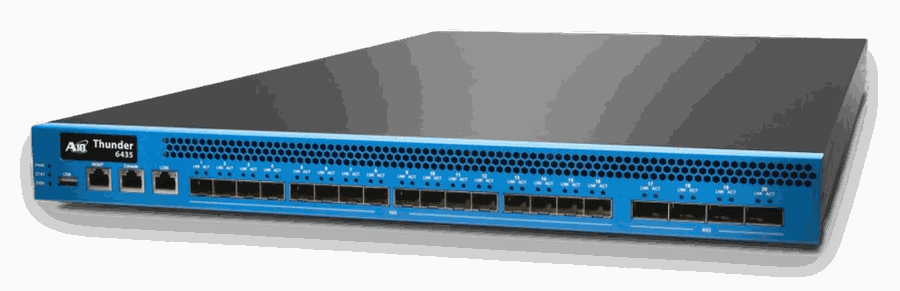
Quantum deploys site routers at the point of transformation between mobile radio, fixed access, enterprise and transport networks. A cell-site router clocks, aggregates and backhauls mixed-generation traffic, prioritising and processing voice, data and signalling for reliable transport across whatever backhaul is available. At the metro layer, 100G aggregation consolidates traffic from 3G, 4G and 5G radio, fixed access, enterprise and transport networks belonging to different vendors.
- Multi-vendor by definition. The aggregation layer is where vendor boundaries actually collide — and where an integrator earns the contract.
- Built for 5G service demand. The 100G platform is engineered for the access layer of metro networks carrying 5G application traffic, not retrofitted from an enterprise product.
- Sync done properly. GPS and 1588v2 timing designed in, because TDD radio fails quietly when synchronisation drifts.
- Proven at national scale. Deployed across multiple provinces in a live national network.
Specification
The technical envelope
| Cell-site router | Site Router 10G — compact cell-site and Ethernet access router |
|---|---|
| Aggregation | Site Router 100G — access layer of metro networks, 5G-service dimensioned |
| Traffic handled | Mixed-generation 3G, 4G and 5G mobile, fixed access, enterprise and transport |
| Functions | Clocking, aggregation, prioritisation, backhaul across any available transport |
| Synchronisation | GPS and IEEE 1588v2 |
| Field record | Site Router 100G deployed across four provinces in Vietnam |
| Vendor scope | Aggregates traffic from equipment of multiple vendors |
Configurations are indicative and are dimensioned per network. Send your requirement and Quantum will respond with a specific configuration and bill of materials.
Straight answers
IP Transport — frequently asked
What does a cell-site router actually do?
It sits between the radio equipment on a tower and the backhaul network. It provides accurate timing to the radio, aggregates traffic from 3G, 4G and 5G equipment on the same site, prioritises voice and signalling over bulk data, and hands the combined traffic to whatever backhaul is available — fibre, microwave or leased circuit.
Why does 5G need a transport upgrade?
A single 5G macro site can generate several gigabits per second, an order of magnitude more than the 4G site it replaces, and 5G latency targets leave far less headroom in the transport path. Cell-site routing at 10G and metro aggregation at 100G are what make the radio investment usable.
Can the transport layer carry other vendors' radio traffic?
Yes — that is the design intent. The site routers aggregate mixed-generation traffic from multiple vendors' mobile radio, fixed access, enterprise and transport equipment onto a common transport path.
Is network synchronisation included?
Yes. GPS and IEEE 1588v2 synchronisation are part of the transport design. In TDD networks, which is what n41 and n78 5G uses, synchronisation errors show up as interference rather than as an outage, so it is engineered and tested rather than assumed.
Adjacent
The rest of the stack
5G Core
One microservices platform that runs the Evolved Packet Core and the 5G Core together — so 4G traffic, 5G non-standalone traffic and…
ExploreOpen RAN & Radio
Open RAN unlocks component choice, cloud deployment and AI-driven optimisation in the radio network. It also creates an integration job that somebody…
ExploreIMS & Voice
Data pays the bills; voice keeps the licence. An IP Multimedia Subsystem delivers multimedia across IP networks while guaranteeing interoperability between different…
ExplorePrivate 5G
A complete standalone 5G network — core and radio — sized for one site, one campus or one operation. Fixed, or on…
ExploreAI Ops & Managed Services
Networks do not fail on a schedule, and they do not generate alarms a human can read in real time. AI Ops…
ExploreCPE & Devices
Fixed-wireless access lives or dies on the device at the customer end. Quantum selects, certifies and supplies CPE against the actual radio…
ExplorePut a requirement in front of an engineer.
Scope, site count, coverage target, capacity or a part number — whatever you have. We reply within one business day.